


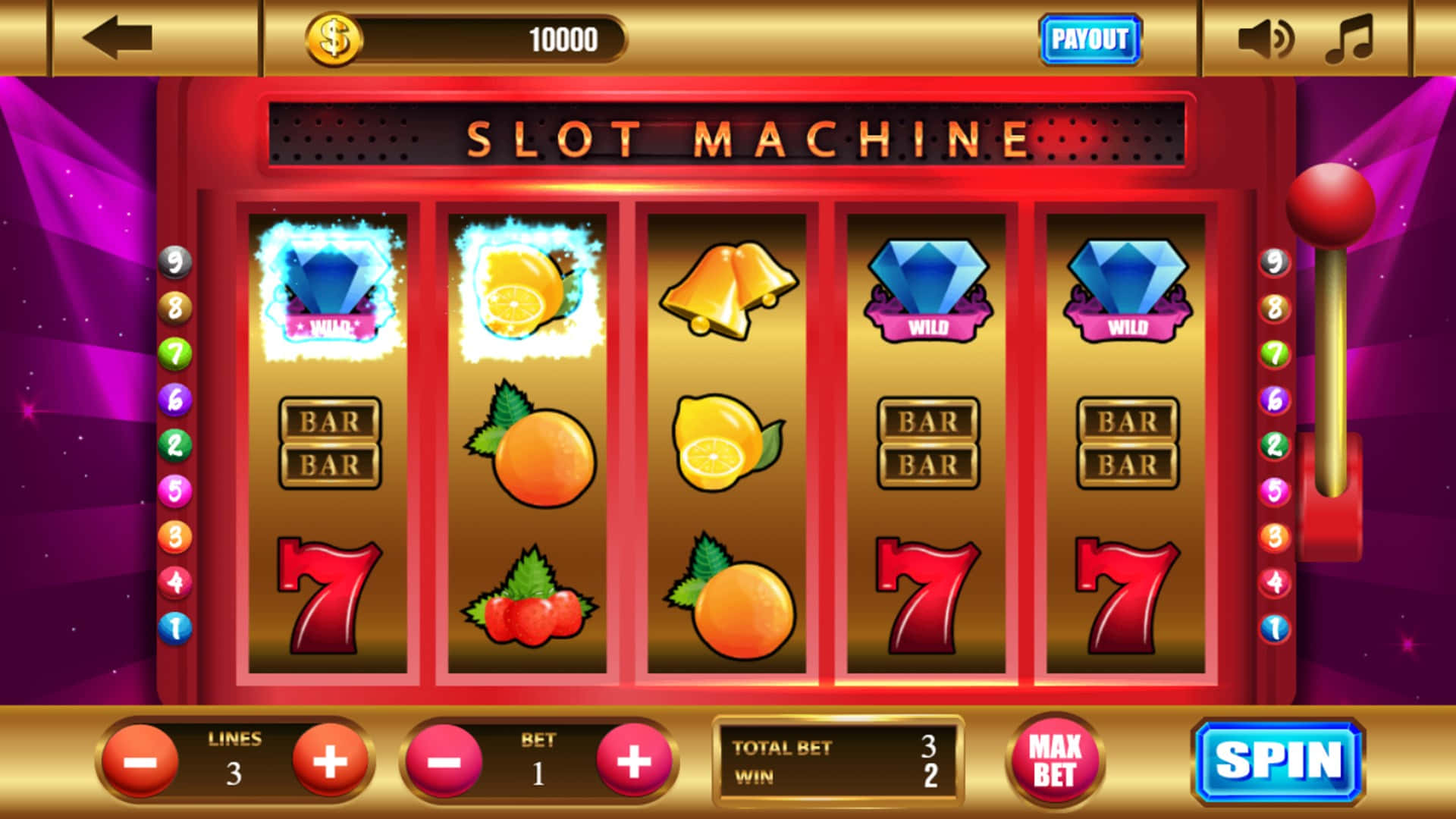
Casino tournaments turn individual games into social, jacktopcasino, competitive events where players vie for prize pools rather than playing exclusively against the house. A novice walking into a tournament lobby might see countdown timers, leaderboards, and unknown rules, but the core concept is simple. Everyone pays an entry fee, receives a stack of tournament credits, and vies to build the highest balance within a set time. The top finishers share the prize pool. Comprehending this framework opens access to an completely new dimension of online gambling, one where skill, pace, and strategy can influence outcomes in ways standard play never enables.
What Precisely Determines a Casino Tournament
A casino tournament represents a structured competition where participants play designated games using tournament credits rather than withdrawable cash during the event. Each player commences with an identical virtual balance, and the goal remains to finish with the largest amount when the clock expires. Unlike regular casino play where every spin or hand is independent, tournament performance is assessed against other competitors on a dynamic leaderboard. The prize pool, covered by collected entry fees or provided as a guaranteed sum by the operator, is divided among the top-ranked players according to a predetermined payout table. This competitive layer drastically changes how participants handle each decision during the contest.
The distinction between tournament credits and real money is essential for beginners to grasp. When a player enters a tournament, the entry fee constitutes the only real money at risk. The credits loaded into the game interface have no cash value outside the competition. A player might spin through a million tournament credits on a slot tournament and finish in first place, but those credits never convert directly to withdrawable funds. Instead, the final ranking decides what portion of the real prize pool the player receives. This structure creates a controlled risk environment where participants understand their maximum exposure from the moment they register.
Tournaments exist across virtually every game category available at a modern online casino. Slot tournaments stay the most common and accessible format, but blackjack, roulette, video poker, and live dealer competitions all keep dedicated followings. Each game type introduces its own strategic considerations. A blackjack tournament demands optimal play decisions under time pressure, while a slot tournament rewards rapid spin rates and bonus feature activation. The unifying element stays the leaderboard, which refreshes in real time and shows every participant exactly where they stand. This transparency drives the competitive atmosphere that makes tournaments distinct from solitary gambling sessions.
The Essential Tournament Formats All Players Should Be Aware Of
Tournament structures vary significantly, and understanding the differences helps players choose competitions that match their preferences and availability. The simplest structure is the scheduled tournament, which commences at a predetermined time and lasts for a set period. Players need to sign up beforehand and compete non-stop during the playing period. These events usually run between ten minutes and several hours, packing the competition into a one concentrated period. Scheduled tournaments frequently produce the highest payouts because the set schedule creates urgency and boosts player counts.
Sit-and-go tournaments provide more freedom by removing the set schedule. These events start the moment a certain number of participants sign up, making them suitable for those who cannot follow a rigid schedule. A sit-and-go might require twenty entrants before starting, and the wait time could vary from a few seconds to several minutes depending on player flow. The prize pool grows with the number of players, and the tournament duration adapts in response. This format is especially favored by players who prefer spontaneous sessions and prefer to bypass the idle time associated with waiting for a scheduled event to commence.
Freeroll competitions serve as the lowest-risk entry point for beginners. These tournaments necessitate no entry fee yet still offer real money or bonus prizes to the champions. Operators utilize freerolls as acquisition and retention tools, giving new players a chance to experience tournament play without financial commitment. The prize pools in freerolls are likely to be modest, and the fields are often large because the zero-cost entry draws maximum participation. Experienced players sometimes overlook freerolls, but for a beginner, they offer invaluable practice in managing tournament credits, reading leaderboards, and developing pace strategies under genuine competitive conditions.
Reload and rebuy tournaments add a strategic wrinkle by allowing players to acquire additional tournament credits after the event begins. If a participant depletes their initial stack early, they can buy back in and continue competing. This format prefers aggressive play styles because the safety net of a rebuy encourages risk-taking that might be unwise in a freezeout structure. However, the cost can increase quickly for players who depend heavily on rebuys. The decision to rebuy entails weighing the additional investment against the probability of climbing into a prize-paying position. Beginners should determine firm rebuy limits before entering these events to avoid chasing losses within the tournament framework.
Mobile Tournament Accessibility and Device Support
The move toward mobile gaming has altered tournament participation habits. Modern online casinos adapt their tournament interfaces for smartphones and tablets, making sure that leaderboards, countdown timers, and game controls work seamlessly on smaller screens. Touch interfaces can actually benefit tournament play in certain formats. Slot tournaments, where rapid spin initiation matters, often perform faster on mobile devices because tapping a screen needs less motion than clicking a mouse. The ease of joining a tournament from anywhere with cellular reception has broadened the participant base and produced around-the-clock tournament availability.
Platform compatibility reaches across operating systems, with most operators catering to both iOS and Android devices through browser-based play or dedicated applications. A beginner should confirm that their preferred tournament types work properly on their device before paying entry fees. Some older live dealer interfaces function better on desktop, while slot tournaments generally translate perfectly to mobile environments. The tournament lobby typically displays which events support mobile participation, and filtering options let players to view only mobile-compatible competitions. Testing the interface with a freeroll or low-stakes event offers practical confirmation of device compatibility.
Push notifications constitute a mobile-specific feature that serious tournament players use extensively. Operators let users to establish alerts for upcoming tournaments, leaderboard position changes, and event start times. A player signed up for a scheduled tournament receives a reminder minutes before the event begins, erasing the risk of missing the start due to distraction. During rebuy tournaments, notifications can warn participants when their balance drops below a threshold, providing the opportunity to purchase additional credits before time expires. Setting up these alerts properly guarantees that mobile tournament play fits smoothly into daily routines without requiring constant attention to the casino application.
Real-Time Dealer Tournament Experiences
Live dealer tournaments bridge the gap between digital competitions and the atmosphere of a physical casino floor. Real dealers handle the games from professional studio environments while players take part through high-definition video streams. The social element sets apart these events from standard online tournaments. Participants can often engage with dealers and sometimes with fellow competitors through chat functions. The pace decelerates compared to automated digital tournaments because physical cards must be dealt and wheels must spin, but many players find the deliberate tempo enhances the competitive experience rather than diminishing it.
The game selection in live dealer tournaments typically concentrates on blackjack, roulette, and baccarat. Each table accommodates a limited number of players, creating intimate competitive environments where participants can observe every opponent decision. In live blackjack tournaments, watching how competitors play their hands provides strategic information that automated tournaments cannot offer. A player who spots an opponent consistently making conservative decisions can adjust their own approach accordingly. The human element brings back psychological factors that pure digital play eliminates, rewarding observant participants who respond to the tendencies of specific opponents.
Technical requirements for live dealer tournaments merit attention from beginners. A stable internet connection becomes essential because disconnections during live play can result in missed hands or automatic folds. The video stream consumes more bandwidth than standard online casino games, and players on mobile connections should verify they have sufficient data capacity before committing to a tournament session. Most platforms provide a practice or observation mode where newcomers can watch live dealer tournaments without participating. Spending time as an observer introduces players with the interface, the pace of play, and the specific rules before any money goes at risk.
The way Entry Fees and Prize Pools Truly Work
The economic mechanics of tournaments work on a straightforward principle with key nuances. In a typical guaranteed tournament, the operator pledges a minimum prize pool no matter how many players enter. If the total entry fees collected fall short of the guarantee, the casino covers the difference. This overlay situation advantages players because the expected value of participation increases when the prize pool is greater than the sum of entry fees. Guaranteed tournaments with overlays attract experienced competitors who monitor these events specifically for positive expected value opportunities.
Entry fees usually divide into two components when real-money tournaments are organized with a rake model. A portion is directed directly into the prize pool, and a smaller percentage goes to the operator as a tournament fee. A tournament listed with a buy-in of ten dollars plus one dollar means nine dollars finances the prizes and one dollar covers operational costs. Some operators streamline this by charging a flat entry fee with the rake built in. The prize pool distribution follows a published schedule that shows exactly what percentage each finishing position earns. Top-heavy structures give the largest share to first place, while flatter payout curves allocate rewards across more positions.
Prize distribution methods go beyond simple cash payouts. Many tournaments grant prizes as bonus funds governed by wagering requirements before withdrawal becomes feasible. Others offer physical prizes, loyalty points, or entry tickets to higher-stakes events. A beginner reviewing a tournament listing should find the prize breakdown before registering. The terms will specify whether prizes come as withdrawable cash, bonus credit, or a blend. Understanding these distinctions prevents disappointment when a winning finish results in funds that cannot be immediately withdrawn. The prize structure often is displayed in the tournament lobby under a dedicated information tab.
Bankroll Management Especially for Competition Players
Competition bankroll handling differs fundamentally from cash game bankroll strategy because the risk structure functions on different principles. In cash play, a player’s full session bankroll faces exposure on every bet. Competition play sets a maximum loss at the entry fee, forming a predefined risk cap that streamlines budgeting. A disciplined tournament player sets reddit.com a monthly tournament budget apart from any cash game budget and treats entry fees as leisure expenses with potential profit. This mindset approach avoids the common mistake of recovering tournament losses by registering for higher-stakes events after a series of unsuccessful results.
The variability in tournament results surpasses what most beginners expect. Even experienced players face long stretches without earning a payout because competition prize pools distribute payouts among the leading ten to twenty percent of finishers. A player may enter twenty tournaments without cashing, then triumph in a single event that recoups all previous registration fees and generates a net profit. Bankroll calculations should account for this pattern by ensuring that the total tournament budget can absorb extended downswings. A conservative guideline suggests that a single tournament entry fee should represent no more than 1-2 percent of the overall monthly tournament bankroll.
Rebuy tournaments require special budgeting attention because the actual cost can multiply beyond the original buy-in. A player who allocates for a single buy-in but finds themselves drawn by several rebuys can swiftly go over their planned budget. Establishing a firm limit for each rebuy competition before registering builds a discipline barrier against impulsive decisions during the intensity of competition. Some players follow a rule of allowing one rebuy if they are eliminated in the first quarter of the event duration, reasoning that sufficient time remains to validate the added investment. No matter what approach a player picks, the decision system should be established before the tournament clock begins.
Table Game Tournaments and the Skill Element
Blackjack tournaments bring a layer of strategic decision-making missing from slot competitions. Players encounter the same dealer and use identical rules, but selections about hitting, standing, doubling, and splitting directly influence outcomes. The tournament format typically involves multiple rounds where players at each table compete against each other rather than against a house edge calculated over millions of hands. Chip counts relative to opponents are important more than absolute totals. A player trailing the leader in the final hands must adopt aggressive strategies that would be mathematically unsound in standard blackjack, such as doubling on hard totals when only a maximum bet can close the gap.
The elimination structure common in blackjack tournaments adds pressure that tests both skill and composure. Multi-table events often advance only the top one or two players from each table to subsequent rounds. This format compels participants to monitor opponent chip stacks constantly and adjust bet sizing accordingly. The player holding the lead near the end of a round might bet conservatively to protect their position, while trailing players must increase wager sizes to create comeback opportunities. Understanding bet sizing relative to the leader’s stack constitutes the single most important skill separating successful blackjack tournament players from the field.
Roulette tournaments operate under different constraints because players cannot influence the game’s mathematical outcomes. Strategy focuses on bet selection and timing rather than decision-making during hands. The standard format provides participants a fixed number of spins with tournament chips, and the highest balance at the end wins. Because roulette offers bets with widely varying risk profiles, players must choose between conservative outside bets that preserve chips and aggressive straight-up wagers that can produce dramatic balance increases. The leaderboard position governs appropriate risk levels. A player comfortably in a qualifying position should reduce variance, while someone outside the prize zone must embrace high-risk wagers.
Slot Competitions as the Perfect Launchpad
Slot tournaments dominate the tournament scene because they remove the skill barrier that might scare newcomers in table game competitions. Every participant engages in the same designated slot game with identical settings, and outcomes rely purely on the random number generator combined with the speed and volume of spins. The designated game is typically a high-volatility title chosen to create dramatic leaderboard swings. Players who realize that maximizing spin count matters more than bet sizing in most slot tournaments gain an immediate advantage over competitors who approach the event like a regular gaming session.
The mechanical process of a slot tournament is straightforward. After registration, the player gets a fixed tournament balance and a time limit. The game interface presents both the tournament credit total and a countdown clock. Each spin subtracts from the available credits at a predetermined rate, and winnings add back to the balance. The crucial strategic element concerns spin frequency. Since the tournament clock runs continuously, every second spent between spins decreases the total number of outcomes a player can generate. Experienced competitors create rhythms that minimize idle time, sometimes using keyboard shortcuts or mobile interfaces optimized for rapid play.
Many slot tournaments feature a minimum bet requirement that prevents players from preserving their balance through tiny wagers. The tournament rules set a required spin size, and the game automatically sets this amount, taking away bet selection from the player’s control. This standardization guarantees that all participants contend on equal footing. The leaderboard refreshes at intervals ranging from real-time to every few minutes, displaying each player’s current rank and balance. The psychological element of watching one’s position fluctuate brings excitement but can also prompt poor decisions. Successful tournament players follow consistent strategies regardless of short-term leaderboard movements.
Rebuy slot tournaments present a distinctive dynamic where players who use up their initial credits can acquire additional stacks. The decision point arrives when the balance hits zero, and the clock still shows meaningful time remaining. A rebuy requires the same as the original entry fee and provides a fresh stack of tournament credits. The strategic calculation involves evaluating whether the remaining time merits the additional investment. A player with only two minutes left after busting would rarely gain from a rebuy, while someone with fifteen minutes remaining might reasonably hope to climb the leaderboard with a fresh balance and focused play.
Frequent Tournament Mistakes and How to Avoid Them
Moving at a sluggish pace ranks as the most common error among tournament beginners, particularly in slot competitions. The tendency to deliberate over each spin or to stop after significant wins costs valuable time that directly reduces the total number of outcomes generated. Tournament credits are not cashable, so saving them through cautious play serves no purpose. The optimal approach in most slot tournaments involves maintaining the maximum sustainable spin rate throughout the entire session. Players who treat tournament credits as ammunition to be deployed rapidly rather than assets to be guarded consistently surpass those who adopt a conservative tempo.
Ignoring the payout structure before playing represents another widespread mistake. A player who finishes in fifteenth place might feel pleased with their performance, but if the tournament only pays the top ten positions, that finish yields nothing. Knowing exactly how many places get paid and what percentage each position receives allows participants to calibrate their strategies appropriately. In a tournament that pays only the top three spots heavily, conservative play that secures a middle-of-the-pack finish has no value. The rational approach involves taking on higher variance to target the positions that actually generate returns.
Not reading the specific rules for each tournament leads to preventable disqualifications and misunderstandings. Some events forbid the use of autoplay features, while others require manual spin initiation. Certain blackjack tournaments require minimum bets in specific situations, and roulette tournaments may restrict bet types during the final spins. The rules section of each tournament lobby contains this information, and experienced players check it before every event even when the format seems familiar. Operators sometimes adjust rules between tournaments in the same series, and assumptions based on prior events can prove costly.
Creating a Long-Term Tournament Strategy
Frequency functions as the basis of lasting tournament success because the variability in any particular event is immense. A participant who plays in one tournament per week cannot obtain valuable insights about their skill level or projected returns from results alone. The sample size is truly too small. Dedicating to a steady routine of tournaments across weeks and months permits the calculated benefit that skilled play provides to emerge in results. This volume-based strategy demands persistence and systematic record-keeping. Tracking entry fees, finishing positions, and prizes won creates a data collection that reveals genuine performance tendencies masked by immediate variability.
Game selection within the tournament environment carries equal weight to frequency. A participant who concentrates on a particular format builds recognition of patterns that generalists cannot equal. The stake behaviors of opponents in blackjack tournaments, the optimal spin patterns in particular slot titles, and the bet sizing adjustments required at various phases of roulette events all become intuitive through concentrated practice. While range delivers enjoyment, focus builds skill. The leading tournament players commonly concentrate on one or two styles where they have recognized advantages rather than spreading their focus across every accessible competition type.
Analyzing tournament performance after each event enhances improvement more productively than simply playing more volume. read here A brief post-tournament analysis assessing key decision points, pace management, and leaderboard positioning delivers insights that inform future strategy adjustments. In blackjack tournaments, replaying critical hands where bet sizing relative to opponents determined outcomes shows whether the chosen approach was optimal given the information available at the time. Slot tournament players can evaluate whether their spin rate matched their capability and whether fatigue affected performance in the closing minutes. This reflective practice turns experience into expertise rather than allowing repetition alone to drive progress.
Casino tournaments offer a distinctive gambling experience where preparation, strategy, and composure directly influence outcomes. The beginner who approaches these events with an understanding of formats, prize structures, and bankroll management principles starts with advantages that casual participants lack. Starting with freerolls or low-stakes scheduled tournaments, developing consistent pace habits, and gradually expanding into more complex formats builds competence without excessive risk. The leaderboard waits for those ready to compete rather than simply play.